A Camp for Every Child
18 AUG 2026
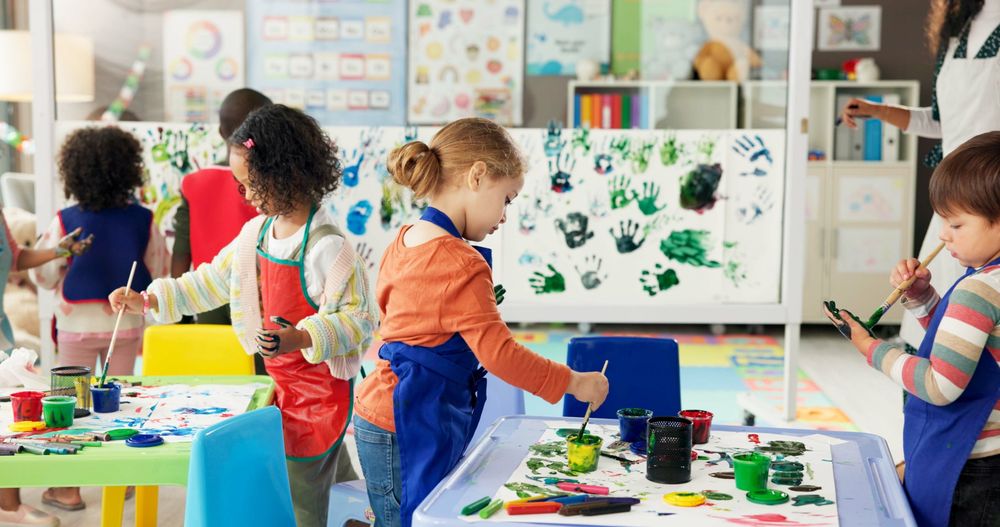
From finger painting to sensory play, camps intentionally create hands-on experiences that spark creativity.
A well-designed children’s camp can transform the way a child walks into a room in a matter of days. Other than valuable social and emotional skills for kids of all ages, camps provide freedom and creativity often missing in traditional school settings. Comoclub goes behind the scenes, speaking to three curators from Kids Space Singapore: uncovering the elements that shape and influence the little ones.
The content of a well-designed camp is key in providing this safe and nurturing space, far away from the pressure of grades. When it comes to the architecture of a camp – available to attend for half a day, one day, or up to five days – Charist, the lead curator at Kids Space for over two years, details: “We start with a theme in mind. For instance, occasion-based festive celebrations, or a specific topic within history, art, and science. Once the theme is set, we plan the learning objectives, and from there, personally come up with different activities that are engaging in a sensory and experiential way.”
A day of camp adventure begins with a short talk on the topic at hand: whether that’s Isaac Newton first discovering gravity, the role of chemical reactions in cooking, or Yayoi Kusama’s fascinating art with polka dots. Movement, music, and storytelling are also crucial, woven intentionally into the camp curriculum to help waning attention spans. Charist elaborates: “Kids these days find it harder to concentrate for long, since we live in the era of social media and technology. So we use slides and videos to make the lesson more interesting and eye-catching.” When it comes to the activities, Kids Space teachers will demonstrate the activity first. “We focus on modelling the technique of the craft or experiment without revealing the end product. We want kids to engage with the activity in an open-ended manner, not in a way that they feel pressured to produce a presumed ‘right’ end result,” she says.
“Every activity is designed with a developmental purpose,” Jane, a Kids Space curator specialising in baby workshops, adds: “We believe in learning through play. The activities are gentle and exploratory, not rushed, so little ones can follow their instincts, find their own creative voice, and have fun in the process. The activities are curated to naturally nurture kids' growth, from fine and motor skills, to sensory exploration, language ability and social intelligence.”
What differentiates Kids Space from the typical school context, is the attitude taken to cultivating and encouraging curiosity, not conformation. Ms. Jing, the Music and Chinese curator at Kids Space, explains: “The style here is highly oriented towards free-play. We love when chidlren explore and try different activities. There’s usually an intentional variety: some stations are messy, involving water, glitter, or other materials – things parents might not want to do at home because it requires organisation and clean-up – and some are more laid-back, like reading and painting.”
“It’s not like a traditional academic setting where kids are forced to sit and focus for long stretches of time. If they’re tired, they’re welcome to lie down to rest for a while. We use words of encouragement to promote good behaviour, but they aren’t punished if they want to run around or take a break – we’ll just play music and run together!” Charist quips. This sense of unbridled freedom, coupled with intentional learning objectives, forms an environment where camp-goers can dive into new topics of study through play, at the same time develop and express their unique personalities safely.
The social aspect is one of the most popular reasons parents are interested in camps. Unlike school classes where students interact solely across the same age cohort, at Kids Space, campers ranging from four to eight years old share the space together, reaching different but important milestones. Jane shares: “We teach the kids how to bond with each other appropriately, promoting good social etiquette like no snatching and no pushing.” Teachers in the camps use positive reinforcement to build friendly and respectful relationships between campers, such as giving small stickers as rewards when a child shows good behaviour to other attendees.
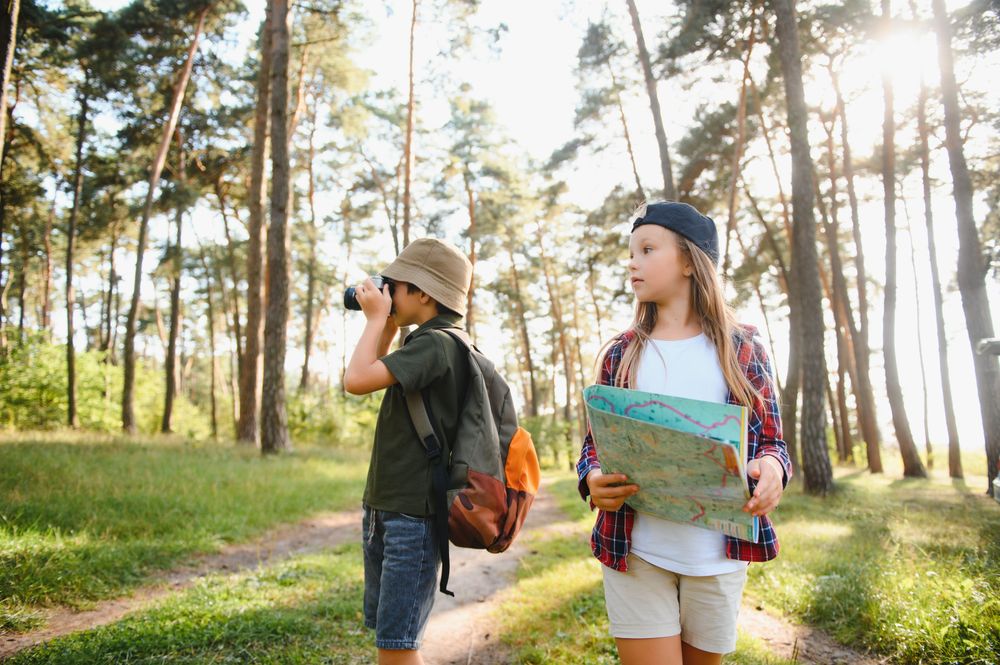
Camp themes spanning history, art, and science inspire children to explore the world around them with the freedom to discover at their own pace.
The cross-age interaction cultivates responsibility in campers, too. Charist elaborates: “Sometimes, older kids may not want to play with the smaller ones, initially. We break the ice by seating them together and starting with warm-up games to get them talking. It helps to acknowledge their ages, then give the older students tasks to help teachers or the younger students, instilling in them a sense of pride and initiative.”
Campers who come consistently throughout the year show the most character growth, which the curators are inspired by. Their most rewarding moments on the job are witnessing children blossom into their own, genuinely enjoying class and becoming more brave. In particular, Jane says, “It’s heartwarming to see the transition of shy children. On their first day, they cry during the drop-off because they are scared and this is a foreign space to them. But after a few sessions of consistent attendance, they become enthusiastic and are able to play confidently without the presence of parents or guardians.” Ms. Jing chimes in: “For longer-term kids and regulars, we get to know their personalities, their likes and dislikes, and can tailor the programme to each child.”
The affectionate relationship between camper and curator is a mutual one. Throughout the course of the conversation, the curators speak fondly about small yet uplifting interactions with the children. “Every day is a joy because the children bring their pure joy into the classroom,” Jane reflects. “While we set up for the session, they knock on the door because they can’t wait to start.” Ms. Jing echoes: “I am so proud of the little ones. I love seeing how they come out of their shell, from being shy and sensitive, to becoming observant and curious. It’s amazing to watch them grow.”
Kids Space camps are held year-round. Visit their website for their suite of a-la-carte classes, workshops, drop-off sessions, and play passes for kids of all ages. Comoclubbers earn Comocredits on selected spend at Kids Space. Not yet a Comoclubber? Sign up here.